Residential Flood Insurance
Coverage Snapshot: Flood is excluded from almost every homeowners policy, so it needs its own policy. The NFIP caps residential coverage at $250,000 building and $100,000 contents. Private flood markets can go above those caps, add replacement cost, and cover property the NFIP form limits, such as basement contents and detached structures. Many homes are best served by comparing an NFIP quote against private primary and excess options.

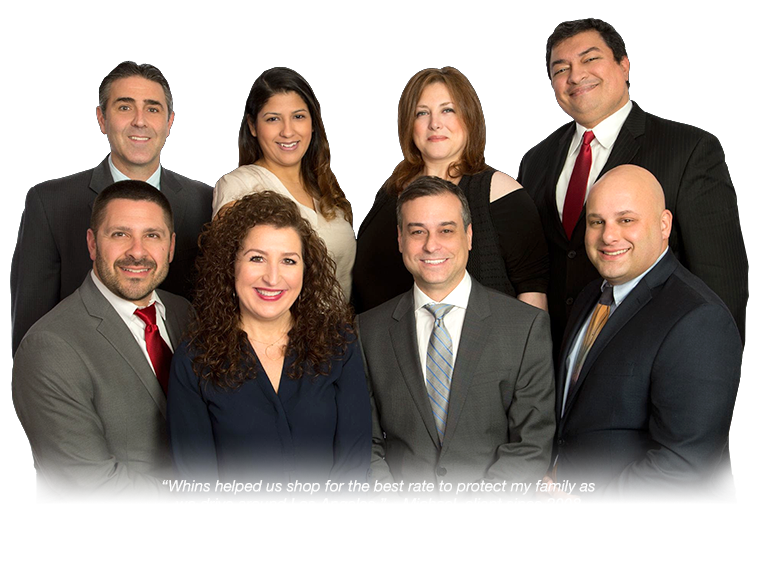
Your WHINS Advisor
Request a quote from Dean Klipfel
Insurance Advisor
Dean works with personal lines clients who need thoughtful guidance for higher-value homes, specialty property, umbrella, auto, and hard-to-place risks.
Call: 818-233-0825 ext. 111 | Direct: 818.275.7008 | Email: [email protected]
License #4058929 | NPN #19599390
How WHINS helps
A practical review process for this risk
- Confirm the property address, flood zone, construction, foundation type, and whether there is a basement or below-grade space.
- Quote the NFIP alongside private flood primary options so the limits, deductibles, and covered property can be compared directly.
- Where the NFIP is the better rate but the limits fall short, review an excess flood layer on top of it instead of replacing the policy.
- Compare terms, exclusions, waiting periods, and lender requirements before a coverage decision is made.
Common Situations We See
Where this coverage conversation usually starts
A lender requires flood insurance before closing, a property gets remapped into a higher-risk flood zone, or a homeowner discovers after a storm that the NFIP limit does not come close to the rebuild cost. Higher-value homes run into the $250,000 NFIP building cap quickly, and the gap between that cap and actual replacement cost is where most of the exposure sits.
Downloads
Residential flood quote checklist and application
These downloads are starting points only. We may request different or additional applications depending on carrier appetite, state, class, and underwriting details.
What should a homeowner review first?
- Flood is excluded from standard homeowners policies and requires a separate policy.
- NFIP residential limits are capped at $250,000 for the building and $100,000 for contents.
- Private flood policies can be written above those caps and may offer replacement cost rather than actual cash value.
- Coverage for basement contents, detached garages, sheds, pools, and similar property differs between NFIP and private forms.
- Flood policies commonly carry a waiting period before coverage takes effect, so timing matters when a sale or renewal is pending.
What is the difference between primary and excess flood insurance?
A primary flood policy is the first layer of coverage. An excess flood policy sits above it and responds once the underlying limit is exhausted. Excess is often the practical answer when an NFIP policy is priced well but its limits are lower than the home’s replacement cost.
When does private flood make more sense than the NFIP?
Private flood is worth comparing when the home’s replacement cost exceeds the NFIP cap, when replacement cost valuation matters, or when the owner wants coverage for property the NFIP form restricts. It is a comparison, not a replacement, and for some properties the NFIP remains the better placement.
What coverage gaps should be reviewed?
The common gaps are the difference between the NFIP cap and full replacement cost, contents limits that fall short of what is actually in the home, below-grade and basement property restrictions, detached structures, additional living expense after a flood, and the waiting period between binding and effective coverage.
What documents make the quote process faster?
Useful documents usually include the property address, the current flood policy or declarations page, any prior flood loss history, an elevation certificate if one exists, the lender’s insurance requirements, and the replacement cost estimate for the home.
How do I start?
Start with a quote request and include your current flood policy or declarations page, any elevation information you already have, the property address, and your desired limits. WHINS Insurance Agency can review the request and route it to the right licensed team member.
- Phone: 818-233-0825
- Email: [email protected]
- California license: 0G66655
Common questions
Does homeowners insurance cover flood damage?
Generally no. Flood is normally excluded from a homeowners policy and has to be covered by a separate flood policy, either through the NFIP or the private flood market.
How much flood coverage can I get above the NFIP limits?
The NFIP caps residential building coverage at $250,000 and contents at $100,000. Private flood options can be written for higher limits, either as a standalone primary policy or as an excess layer above an NFIP policy. Actual limits depend on underwriting.
What does excess flood insurance do?
It sits on top of an underlying flood policy. It is commonly used when the NFIP is the most competitive option on rate but the homeowner still wants replacement cost or limits above the NFIP cap.
Are detached structures and basement contents covered?
Coverage for detached garages, sheds, basement contents, pools, and similar property varies significantly between NFIP and private flood forms. This is one of the main reasons to compare the two side by side.
Related WHINS resources
- Commercial Flood Insurance, if the property is a commercial building, apartment, or mixed-use property.
- High-Value Homeowners Insurance and FAIR Plan Alternatives
- High-Net-Worth Coastal and Wildfire Property Insurance
- Personal Parametric Insurance, which covers trigger-based payouts for events including flood and complements rather than replaces a flood policy.
References and useful official resources
- FloodSmart, the official NFIP consumer site from FEMA
- California Department of Insurance flood insurance guide
This page is for educational and marketing purposes only. It is not legal, tax, HR, medical, regulatory, underwriting, or coverage advice. Coverage availability, terms, limits, pricing, and eligibility depend on underwriting review, carrier appetite, applicable law, and actual policy language.
Ready to start?
Send us the basic details and WHINS will help review the next underwriting step for this risk.