WHINS Insurance Agency | California focus, licensed in 20 states
Coverage Snapshot: Lessor’s risk only (LRO) insurance is for owners who lease a commercial building to other businesses, such as strip centers, office buildings and mixed-use properties. Depending on the carrier, it protects the building, rental income and the owner’s liability as landlord. WHINS compares admitted and specialty markets, including Mercury, The Hartford, Chubb and Travelers, and an advisor prepares every submission.
Start your LRO building request
By Karen Fatta, Insurance Advisor, WHINS Insurance Agency. Last reviewed November 20, 2026.
This program is for commercial buildings that the owner leases to other businesses, such as strip centers, office buildings, medical offices, warehouses and mixed-use buildings. Owners of one to four unit residential rentals should use the landlord insurance intake, and apartment buildings with five or more units should see apartment building insurance.

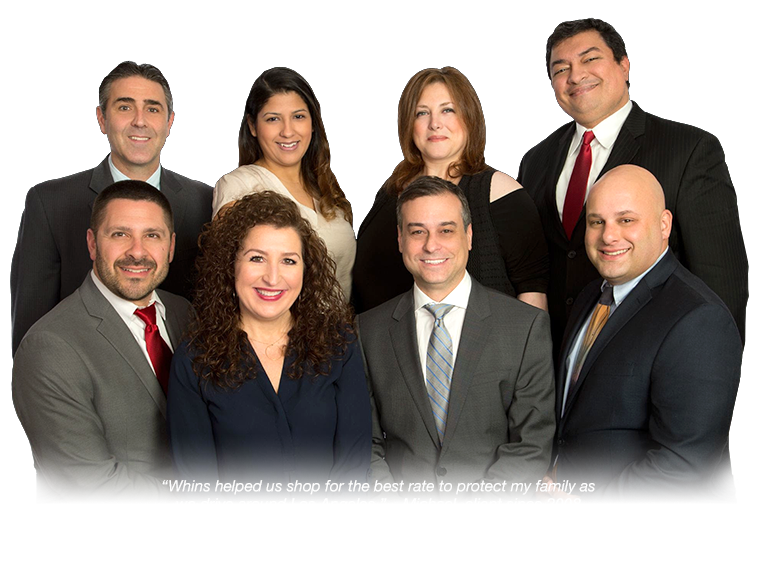
Your WHINS Advisor
Work directly with Karen Fatta
Insurance Advisor, with WHINS since 2015
Karen reviews every commercial building request personally, prepares the submission, approaches the admitted and non-admitted markets we work with, and follows up by phone or email.
Call: 818-233-0825 ext. 110 | Direct: 818-462-5757 | Email: [email protected]
CA License #0K54183 | NPN #17751191
What is lessor’s risk only insurance?
If you own a commercial building and lease space to tenants who run their own businesses, you are the lessor. Your tenants control the operations inside their space, so an LRO policy is written around your exposure as the owner: the building, the rent you would lose after damage, and claims from tenants, their customers or visitors that arise from the property.
The term is not used the same way everywhere. Progressive Commercial, for example, describes LRO as protection against tenant-related liability claims that does not pay for damage to the building itself, so the building is insured separately, and some other carriers use the term the same way. Mercury’s lessors risk program, by contrast, lists building coverage and business income as part of the policy. Before you compare quotes, confirm what each one includes.
What can an LRO program include?
- Landlord general liability for bodily injury and property damage claims tied to the premises, such as a slip and fall in a parking lot or hallway.
- Building and structures, where the form includes property coverage, often with blanket or extended replacement cost options.
- Business income or loss of rents if a covered loss makes space unusable and tenants stop paying.
- Ordinance or law for the cost of rebuilding to current code after a covered loss.
- Water back-up and sump overflow, equipment breakdown and other endorsements, depending on the carrier.
- Employment practices and cyber, optional with some carriers.
Earthquake, flood and wildfire exposures are usually handled separately. See our guides to CA Earthquake Commercial Property Insurance, Commercial Flood Insurance and How the FAIR Plan commercial high value program fits with DIC and excess placements.
Which buildings and tenants fit?
Typical LRO buildings
- Strip centers and shopping centers
- Office buildings
- Medical and dental office buildings
- Warehouses and flex buildings
- Mixed-use buildings that are mostly commercial
Tenant types that need a closer look
- Restaurants, bars and nightclubs
- Liquor, smoke and vape shops, pawn shops
- Gyms, salons and tattoo studios
- Auto repair, tire and car wash tenants
- Day cares, schools, churches and studios
Situations that call for specialty markets
- Older buildings and older systems
- Recent claims or a coverage lapse
- Heavily vacant buildings
- A standard carrier non-renewed you
Looking for something else?
- Your own business operating in the space: see business insurance
- Apartment buildings: apartment building insurance
- One to four unit rentals: landlord intake
- Urban landlord portfolios: surplus landlord portfolios
Which markets does WHINS use for LRO?
Admitted carriers use filed rates and forms and are the first stop for a clean, well-maintained building with standard tenants. Non-admitted (surplus lines) markets can offer more flexibility for older buildings, losses, lapses in coverage or tenants that standard carriers restrict. WHINS works with both and prepares each submission for the market that fits, so a decline from one carrier is not the end of the road.
| Market type | Markets WHINS works with | When it is typically considered |
|---|---|---|
| Admitted | Mercury, The Hartford, Chubb, Travelers, Honeycomb, among others | Buildings and tenants that meet standard underwriting for age, systems, protection and loss history |
| Non-admitted (surplus lines) | Honeycomb and other specialty markets | Older buildings, claims, coverage lapses or tenant mixes a standard carrier will not write, subject to each market’s guidelines |
Appetite, eligibility and pricing are set by each carrier at quote and change over time. Listing a market does not mean it will offer terms on any particular building.
Featured market
What does Mercury’s lessors risk program include?
According to Mercury’s lessors risk insurance page, the program is for commercial property owners of shopping and strip centers, warehouses, offices and similar buildings. Coverages and options it describes include:
- Building coverage, with blanket coverage or 125 percent extended replacement cost.
- Business income for up to 12 months, with options for 18 or 24 months.
- Ordinance or law coverage, with demolition and increased cost of construction at a $100,000 combined limit that can be increased.
- Water back-up and sump overflow.
- Equipment breakdown, optional employment practices liability and optional cyber and data breach coverage up to $250,000, and an optional Lessor’s Risk Broadening Endorsement.
Mercury also lists premium discounts for an active fire alarm, a fully sprinklered building, no losses in the last three years, multiple locations, paying in full and owning the building for two or more years. A discount for tenants’ insurance applies when the lease requires the owner to be an additional insured on the tenants’ liability policies. In its February 2021 announcement Mercury said it was offering LRO to California owners, including mixed-use buildings with more than 50 percent commercial occupancy. Appetite changes, so availability for a specific building is confirmed at quote.
What do underwriters ask about a leased commercial building?
Underwriters review the building, the tenants and your loss history. Have these ready:
- Address, year built, construction type, stories and total square footage.
- Number of tenants including vacant units, the largest occupancy by square footage, and the type of business of the largest tenant.
- Annual rental income, years of ownership and whether any space is owner-occupied.
- Roof type and age, electrical panel and wiring type, plumbing material and the year each was updated.
- Sprinkler coverage, fire alarm type and monitoring, security and parking type.
- Whether tenant leases require insurance and additional insured status.
- Replacement cost, current carrier, expiration date and loss runs, including any lapse in coverage.
Download the LRO building submission readiness checklist (PDF)
What slows down an LRO submission?
- No tenant schedule, or no square footage by tenant type.
- Loss runs that are old or missing, or a lapse in coverage nobody has explained.
- Roof, wiring and plumbing ages that are guesses.
- A restricted tenant, such as a bar, a smoke shop or a day care, that is not disclosed up front.
- Values that are not tied to a replacement cost estimate.
None of these automatically rules a building out. Missing information is the most common reason a submission takes longer than it should.
Where does WHINS write LRO?
WHINS focuses on California commercial buildings and is licensed in Arizona, California, Colorado, Connecticut, Delaware, Florida, Georgia, Hawaii, Iowa, Montana, New Jersey, New Mexico, Nevada, New York, Ohio, Oregon, Tennessee, Texas, Utah, Washington. Availability outside California depends on the market and underwriting review. We do not write buildings in states where we are not licensed.
Common questions
What does lessor’s risk only (LRO) mean?
Lessor’s risk only insurance is coverage for an owner who leases a commercial building to tenants and does not operate the businesses inside. The tenants run the operations and carry their own coverage, so the owner’s policy focuses on the building and the owner’s liability as landlord.
Does LRO cover the building?
It depends on the carrier and form. Some carriers, such as Progressive Commercial, describe LRO as a liability-focused policy that excludes damage to the building, with building coverage bought on a separate property policy. Others, including Mercury’s lessors risk program, include building and business income coverage. Always check whether building, rent loss and ordinance or law are included.
What types of buildings qualify?
Shopping and strip centers, office buildings, warehouses, medical and professional offices and mixed-use buildings with mostly commercial tenants are the usual fit. Many standard markets expect most of the building to be leased to tenants, and they restrict certain tenant types, so eligibility is confirmed at quote.
Which carriers does WHINS use for lessor’s risk?
WHINS works with admitted and non-admitted markets, including Mercury, The Hartford, Chubb, Travelers and Honeycomb, plus specialty surplus lines markets for older buildings, claims and coverage lapses. Which market fits depends on the building and underwriting.
Do my tenants need their own insurance?
Most commercial leases require tenants to carry general liability and to name the owner as an additional insured. Some carriers also credit the building owner when the lease requires it. Check each lease and collect certificates.
What information do I need for a quote?
The building address, year built, construction, square footage, number of tenants, largest tenant type, rental income, sprinklers and alarm, roof age and loss history. The readiness checklist on this page lists them.
How do I apply?
Start the online request at https://www.whins.com/lessors-risk-only-insurance-request/. Karen Fatta reviews each submission and replies personally.
Lessor’s risk guides for building owners
- What lessor’s risk only insurance covers, and what it may not
- What makes a leased commercial building hard to place
- Tenant insurance requirements and additional insured status
- Older buildings, claims and lapses: when LRO moves to specialty markets
- Strip center tenants that affect your insurance
- Loss of rents and ordinance or law for building owners
Related WHINS resources
Request a lessor’s risk quote
Complete the online request with a few key details about the building and its tenants. Karen Fatta reviews each request and follows up personally. You can add loss runs and a tenant schedule if you have them.
Start your LRO building request
WHINS Insurance Agency | CA Agency License #0G66655 | Karen Fatta 818-233-0825 ext. 110 | direct 818-462-5757 | [email protected]
Coverage is subject to underwriting, carrier availability, and the terms, conditions, exclusions, and endorsements of the issued policy. This page is general information for owners of commercial buildings that are leased to others. It does not amend, extend, or alter any policy. Coverage is bound only when confirmed in writing by the issuing insurer or an authorized representative of WHINS Insurance Agency.