WHINS Insurance Agency | California focus, licensed in 20 states
Coverage Snapshot: Condo association and HOA insurance covers the shared property a community must insure, the association’s liability, its board and its funds. A typical program combines a property master policy, general liability, directors and officers, and crime coverage. WHINS compares admitted and non-admitted markets, and a licensed advisor prepares every submission.
Start your association insurance request
By Karen Fatta, Insurance Advisor, WHINS Insurance Agency. Last reviewed November 18, 2026.
This page is for condominium associations, HOAs, townhome and planned-unit communities, and the boards and managers who run them. Owners of a single condo unit should see condo insurance, and apartment building owners with five or more units should see apartment building insurance.

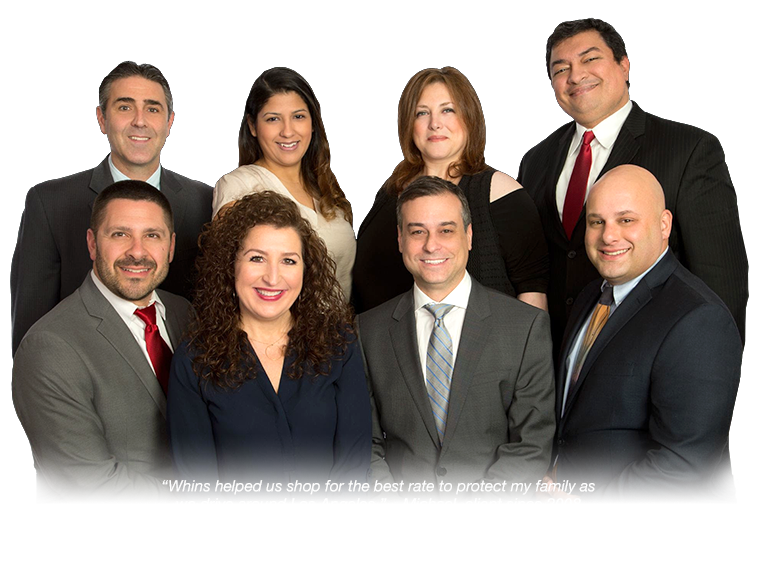
Your WHINS Advisor
Work directly with Karen Fatta
Insurance Advisor, with WHINS since 2015
Karen reviews every association request personally, works with your board or property manager to prepare the submission, approaches the markets we work with, and follows up by phone or email.
Call: 818-233-0825 ext. 110 | Direct: 818-462-5757 | Email: [email protected]
CA License #0K54183 | NPN #17751191
What does a condo association or HOA insurance program include?
An association program is commercial insurance, not a homeowners policy. The pieces are usually bought together as a package, but each answers a different question:
| Coverage | What it addresses |
|---|---|
| Property (master policy) | Buildings, common areas, and other property the governing documents make the association responsible for, usually on a replacement cost basis, with options such as ordinance or law and business income. |
| General liability | Injury or property damage claims from owners, residents and visitors, for example a fall in a common area or a pool incident. |
| Directors and officers (D&O) | Claims against board members and the association over decisions, such as assessments, rule enforcement, maintenance or elections. |
| Crime and fidelity | Loss of association money or property through employee or manager dishonesty, and fraud such as fraudulent impersonation. Reserve and operating funds make this a common gap. |
| Umbrella or excess liability | Higher liability limits above the general liability policy. |
| Workers compensation | For employees such as an on-site manager or maintenance staff. Some programs offer an if-any form for associations that believe they have no employees. |
| Equipment breakdown, hired and non-owned auto, cyber | Boilers, elevators and pumps, vehicles used on association business, and data or payment incidents. |
| Earthquake and flood | Generally excluded from standard property forms and bought separately. See the guides below. |
Availability, limits, deductibles and terms are set by each market at quote and change over time.
Who is this program for?
Communities
- Condominium associations
- Homeowners associations and townhome communities
- Planned unit developments and master associations
- Mixed-use condominiums
Who we work with
- Volunteer board members
- Treasurers and presidents handling a renewal
- Property and community managers
- Associations facing a non-renewal or a large increase
Common situations
- Renewal in the next 90 days
- Lender or escrow questions about the master policy
- Older buildings, pools and amenities
- No D&O, crime or umbrella coverage yet
Looking for something else?
- Your own condo unit: see condo insurance for unit owners
- An apartment building with five or more units: see apartment building insurance
- One to four unit rentals: see landlord insurance for 1 to 4 unit rentals
What does the master policy insure inside the units?
This is the question that causes the most confusion after a loss. The answer comes from the association’s governing documents (CC&Rs and bylaws) and then the policy form, not from a general rule:
- Single entity or all-in. The association insures the building including original fixtures and often interior finishes. Owners insure their belongings, upgrades and liability.
- Bare walls in. The association insures the shell, and owners insure everything from the walls in.
- Common areas only. Typical for many HOAs of detached homes, where each owner insures the dwelling.
Boards should keep a plain-language summary of this split for owners, since gaps between the master policy and unit-owner policies are where disputes and assessments arise. Insurance requirements for associations also come from California law and from lenders, so confirm them with your attorney before you buy or renew.
Earthquake, flood and wildfire for associations
Standard association property forms generally exclude earthquake and flood, and wildfire-exposed communities face their own availability questions. These are the guides to read before a renewal:
What do underwriters ask about an association?
Underwriters review the buildings, the amenities, how the community is managed and its claims history. Have these ready:
- Number of units and buildings, year built, construction type, stories and square footage.
- Roof, electrical, plumbing and heating updates, with dates.
- A current replacement cost appraisal or statement of values.
- Sprinklers, alarms, gates and security, plus pools, clubhouses, elevators, garages, roads and retaining walls.
- Percent of units rented out, any age restriction, and any commercial space.
- Management structure, who handles association money, and financial controls.
- The current policy declarations, expiration date and five years of loss runs.
- Any litigation, construction defect claims or large special assessments.
Download the association insurance readiness checklist (PDF)
What slows down an association submission?
- An out-of-date replacement cost appraisal, or none at all.
- Not knowing whether the governing documents make the association insure unit interiors.
- Missing dates for roof, wiring and plumbing updates.
- Loss runs that are old or missing, and unexplained claims.
- Unreported amenities such as a pool, or unreported litigation.
None of these automatically rules an association out. Missing information is the most common reason a submission takes longer than it should.
Which markets does WHINS use?
Association programs are placed with admitted carriers and with non-admitted (surplus lines) markets, including programs built specifically for community associations. Which market fits depends on the type of community, building age and condition, amenities, claims history and the coverage mix. WHINS prepares each submission for the markets that fit and explains the options to the board. Appetite, eligibility and pricing are set by each market at quote and change over time, and nothing on this page is a promise that any market will offer terms.
Where does WHINS work with associations?
WHINS focuses on California associations and is licensed in Arizona, California, Colorado, Connecticut, Delaware, Florida, Georgia, Hawaii, Iowa, Montana, New Jersey, New Mexico, Nevada, New York, Ohio, Oregon, Tennessee, Texas, Utah, Washington. Availability outside California depends on the market and underwriting review. We do not place coverage in states where we are not licensed.
Common questions
What is condo association insurance?
Condo association insurance, often called an HOA master policy or association package, covers the property the association is responsible for, the association’s liability, and often the board’s management liability and association funds. What the association must insure is set by its governing documents, so the structure differs from one community to the next.
What is the difference between an HOA master policy and a unit owner’s condo policy?
The master policy is bought by the association for the shared property and the association’s exposures. A unit owner’s condo policy covers that owner’s personal property, interior improvements the master policy does not insure, loss of use, personal liability and sometimes assessments. Unit owners can read about their side at condo insurance for unit owners.
What does a master policy usually insure inside the units?
It depends on the governing documents. Some associations insure the whole building including unit interiors, some insure the building shell and leave interiors to owners, and some insure only common areas. Ask your manager for the CC&Rs and the current policy before any renewal discussion.
Does an HOA master policy cover earthquake?
Usually not. Earthquake is generally excluded from standard property forms and bought separately. See Does your California condo HOA master policy cover earthquake damage? and RCBAP-style earthquake master policies for California condo associations.
What other coverages should an association review?
Directors and officers (D&O) liability for the board, crime and fidelity coverage for association funds, umbrella or excess liability, workers compensation for any employees, equipment breakdown, hired and non-owned auto, cyber, and flood where the exposure exists.
Who is responsible for deciding the insurance an association carries?
The board, following the governing documents, California law, lender requirements and advice from its insurance advisor and attorney. WHINS helps the board compare options but does not give legal advice.
Can WHINS help in states other than California?
Yes. WHINS is licensed in Arizona, California, Colorado, Connecticut, Delaware, Florida, Georgia, Hawaii, Iowa, Montana, New Jersey, New Mexico, Nevada, New York, Ohio, Oregon, Tennessee, Texas, Utah, Washington. The focus is California, and availability elsewhere depends on the market and underwriting.
How do I request a quote?
Start the online request at https://www.whins.com/condo-association-hoa-insurance-request/. Karen Fatta reviews each submission and replies personally.
Condo association and HOA insurance guides
Related WHINS resources
Request an association insurance quote
Complete the online request and upload your current declarations, loss runs, appraisal and governing documents if you have them. Karen Fatta reviews each request and follows up with your board or manager personally.
Start your association insurance request
WHINS Insurance Agency | CA Agency License #0G66655 | Karen Fatta 818-233-0825 ext. 110 | direct 818-462-5757 | [email protected]
Coverage is subject to underwriting, carrier availability, and the terms, conditions, exclusions, and endorsements of the issued policy. This page is general information for boards and managers evaluating association insurance. It is not legal advice and does not amend, extend, or alter any policy. Insurance requirements for your association come from your governing documents, California law, and your lenders, so confirm them with your attorney. Coverage is bound only when confirmed in writing by the issuing insurer or an authorized representative of WHINS Insurance Agency.